Surge of Chinese Illegal Aliens
Over the past 18 months, U.S. authorities have reported over 55,000 Chinese illegal aliens crossed illegally from Mexico. This significant influx has raised questions about the backgrounds and intentions of these individuals, many of whom are military able men.
W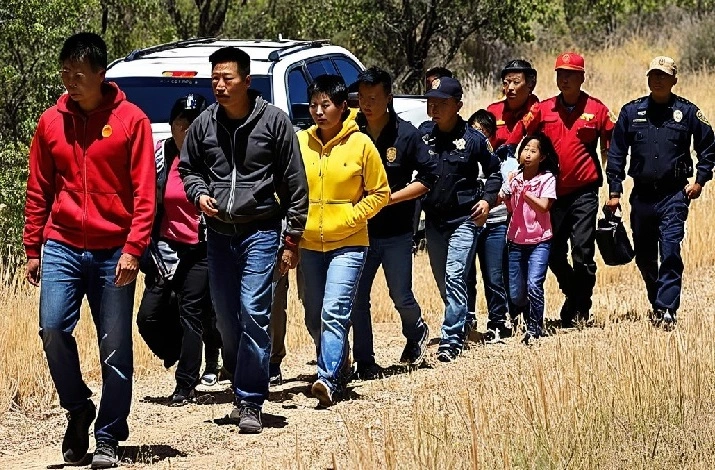 hile there is no evidence linking these illegal aliens to political dissent against the Beijing regime, their arrival has sparked concerns among Americans and U.S. law enforcement. The lack of clarity regarding potential connections to the Chinese military or the Ministry of State Security (MSS) complicates the situation. U.S. agencies face challenges in verifying the identities and intentions of these illegal aliens, especially since they cannot rely on the Chinese embassy for assistance.
As the situation develops, U.S. officials should prioritise national security concerns over “humanitarian”. Would China let 55,000 Americans pretending to be refugees in their country without thorough vetting processes? The growing number of Chinese illegal aliens highlights the complexities of immigration and the need for thorough vetting processes to ensure safety and security of America.
China’s Farmland Purchases Near U.S. Military Bases Raise Security Concerns
Recent reports indicate that China has been acquiring farmland located near key military installations in the United States. This trend has sparked alarm among national security experts and government officials, who worry about the implications for American safety.
The farmland purchases have been concentrated in areas that are strategically important to U.S. defense operations. Experts fear that these acquisitions could provide China with valuable insights into military activities and infrastructure. Chinese telecommunications equipment could be used to disrupt U.S. military communications and the potential of espionage or sabotage has led to calls for increased scrutiny of foreign investments in American agriculture.
Officials are now considering measures to address these concerns, including stricter regulations on foreign ownership of land near military sites. The situation highlights the growing tension between the U.S. and China, as both nations navigate complex economic and security challenges.
As the situation develops, lawmakers are urging a thorough review of existing policies to protect national interests while balancing the need for foreign investment. The debate continues over how to safeguard American resources without stifling economic opportunities.
Chinese Agents in the U.S. and Drone Threats to Infrastructure
Recent reports indicate that Chinese agents operating within the United States may have the capability to use drones to target vital military and civilian infrastructure. This alarming development raises concerns about national security and the potential for significant damage to essential services.
Drones have become increasingly accessible and can be equipped with various technologies, making them a tool for both surveillance and attack. Experts warn that these unmanned aerial vehicles could be used to disrupt power grids, communication systems, and transportation networks, posing a serious risk to public safety and national defense.
Stricter regulations on drone usage near important infrastructure is needed to prevent misuse.
As tensions between the U.S. and China continue to rise, the potential for drone attacks adds a new layer of complexity to the ongoing geopolitical landscape. Americans should remain vigilant and report any unusual drone activity to authorities.
Chinese Companies and Individuals That Comes in America and Tries to Buy Land is Controlled by the Chinese Communist Party
Chinese companies and individuals that comes in America and tries to buy land is controlled by the Chinese Communist Party
Recent discussions have emerged regarding the implications of Chinese companies and individuals purchasing land in the United States. Many experts believe that these transactions may be influenced by the Chinese Communist Party (CCP), raising concerns about national security and economic sovereignty.
As China continues to expand its global presence, its citizens and businesses are increasingly looking to invest in foreign real estate. However, critics argue that any investment from China could be tied to the CCP’s broader agenda. This has led to calls for stricter regulations on foreign land purchases, particularly from Chinese entities.
Several states have already taken steps to limit or scrutinize these investments. Lawmakers are debating measures that would require transparency in foreign land ownership and assess the potential risks associated with such transactions.
Supporters of these regulations argue that protecting American land from foreign influence is vital for maintaining national security. They emphasize the need for a thorough review process to ensure that foreign investments do not compromise local interests.
On the other hand, some believe that restricting foreign investments could hinder economic growth and limit opportunities for collaboration. They argue that foreign capital can bring benefits, such as job creation and infrastructure development.
As the debate continues, the Chinese land purchases in the U.S. continue.